Understanding Central Heating Leaks
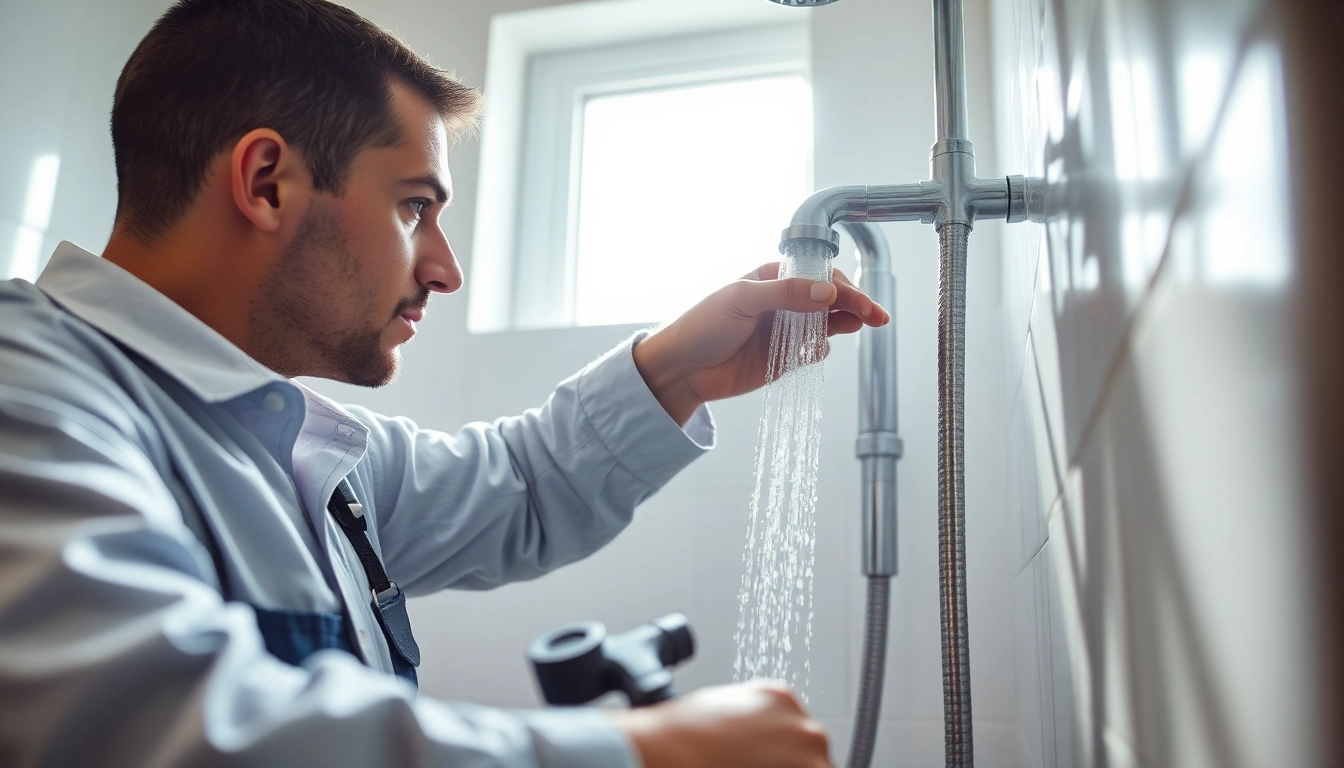
Central heating systems are vital to maintaining comfort and warmth in our homes. However, leaks in these systems can lead to significant issues, including increased energy bills, property damage, and even health concerns due to mold growth. Identifying and addressing these leaks promptly is essential. When exploring options, central heating leak detection services can provide comprehensive insights into your system's condition and potential issues.
What Causes Central Heating Leaks?
Central heating leaks can stem from various sources. Some common causes include:
- Age of Infrastructure: Older pipes and fittings can corrode over time, leading to leaks.
- Temperature Fluctuations: Rapid changes in temperature can cause pipes to expand and contract, increasing the risk of leaks.
- Pressure Issues: High pressure in the system can stress components, causing them to fail.
- Poor Installation: Incorrectly installed systems or components can lead to leaks from the start.
Common Symptoms of a Leak in Your Heating System
Recognizing the signs of a leak early can save you from costly repairs and damage. Symptoms include:
- Unexplained increase in energy bills
- Water pooling near the boiler or radiators
- Damp patches on walls, floors, or ceilings
- Noise disturbances, such as hissing or bubbling, when the system is running
The Importance of Timely Leak Detection
Detecting leaks early in a central heating system can prevent significant property damage and associated costs. Here’s why timely detection is critical:
- Cost Savings: Early intervention can help avoid extensive repairs, often saving you substantial amounts in repair costs.
- Health Concerns: Leaks can lead to dampness and mold growth, which pose health risks to occupants.
- System Efficiency: Finding and fixing leaks ensures your heating system operates at optimal efficiency, reducing energy consumption.
Advanced Techniques in Central Heating Leak Detection
Modern technology has transformed how we detect leaks in central heating systems. Utilizing advanced techniques results in quicker, more accurate assessments.
Utilizing Thermal Imaging for Accurate Detection
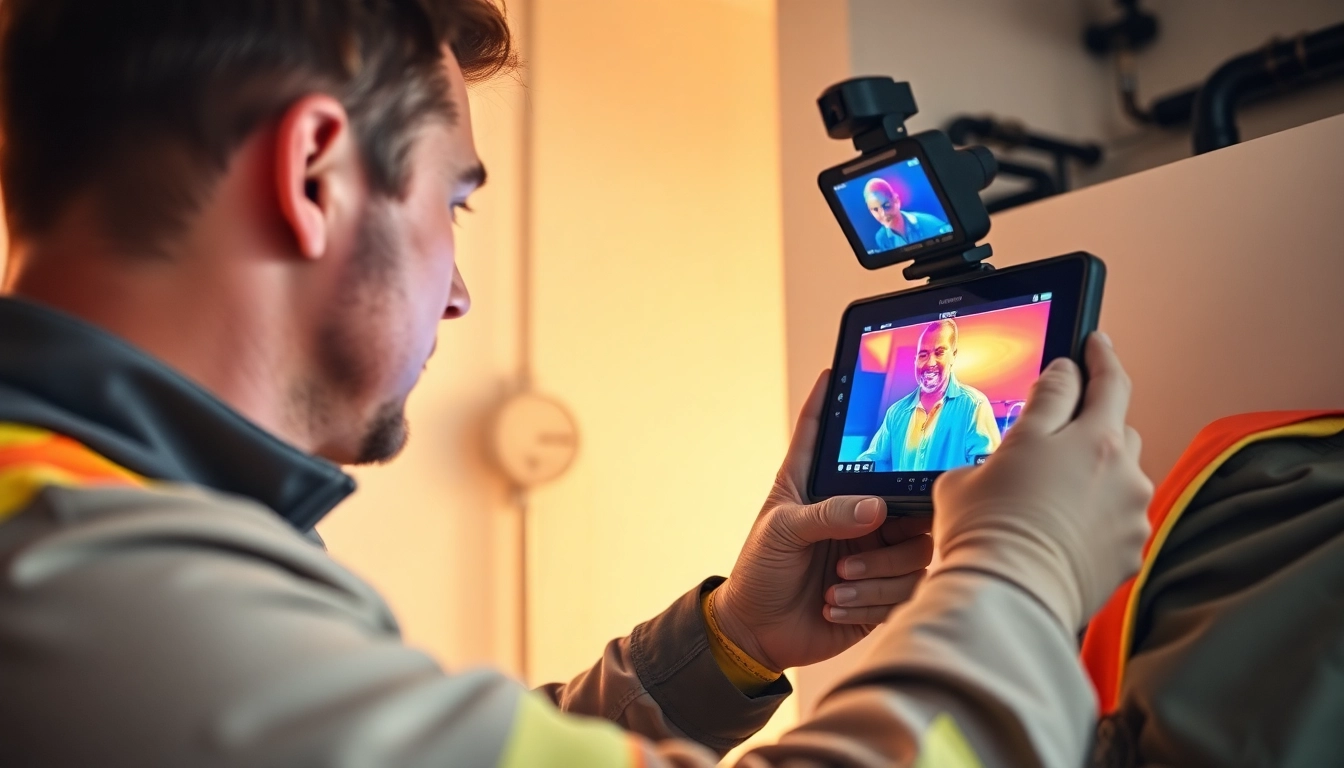
Thermal imaging is a powerful tool in leak detection. By identifying temperature variations within walls and floors, technicians can pinpoint areas where heat is escaping, indicating the presence of a leak. This non-invasive method allows for quick assessments without damaging your property.
The Role of Acoustic Listening Devices
Acoustic listening devices can detect the sound of escaping water or gas, even when the leaks are underground or hidden within walls. This method is particularly effective for locating leaks in centralized heating systems, where precise identification can prevent unnecessary disruption.
Implementing Pressure Testing Methods
Pressure testing is essential for verifying the integrity of your heating system. By monitoring pressure changes in isolated sections of the pipework, technicians can confirm the existence and location of leaks. This method is invaluable in ensuring that repairs are accurately targeted.
Choosing the Right Leak Detection Service
Finding a reliable leak detection service is crucial to ensuring the effectiveness of your leak repairs. Here are some factors to consider when making your choice:
What to Look for in a Qualified Technician
A qualified technician should have a wealth of experience in detecting leaks in central heating systems specifically. Look for accreditations or certifications that demonstrate their expertise and professionalism.
Evaluating Leak Detection Technologies Used
Investigate the technologies that different companies employ for leak detection. The best services use state-of-the-art equipment, including thermal imaging, acoustic listening devices, and moisture mapping tools, to ensure accurate diagnostics.
Understanding Pricing and Service Guarantees
Before committing, ensure you fully understand the pricing structure and any guarantees offered. The best leak detection services often provide a no-find, no-fee guarantee, ensuring you only pay for successful interventions.
Preventive Measures for Leak Prevention
Preventing leaks in your central heating system is just as important as detecting them. Follow these practices to minimize your risks:
Regular Maintenance for Central Heating Systems
Schedule regular maintenance checks to keep your heating system in top shape. This includes checking for potential leak sources, ensuring all fittings are tight, and replacing any aging components proactively.
Best Practices for Homeowners
As a homeowner, it's advisable to:
- Inspect visible piping and fittings for signs of wear or corrosion regularly.
- Monitor your heating system's pressure gauge to catch any sudden drops early.
- Maintain optimal temperatures to avoid excessive thermal expansion and contraction of pipes.
Innovative Solutions to Minimize Risks
Consider investing in smart home technologies that monitor water use and alert you to unusual patterns. These innovations enhance your ability to detect potential leaks before they become serious problems.
The Future of Central Heating Leak Detection
The leak detection industry is evolving with new technologies and methodologies designed to improve efficiency and accuracy. Here’s what the future holds:
Emerging Technologies in Leak Detection
Innovative solutions, such as drone technology for inspecting hard-to-reach areas and AI-driven analytics for predicting system failures, show promise in enhancing leak detection services.
Predictive Analytics and Home Automation
Predictive analytics can help homeowners anticipate potential leaks before they occur by analyzing patterns in energy use and system performance. Coupled with home automation systems, these tools can provide real-time alerts and automated responses to minor leaks, significantly reducing risk.
The Impact of Regulations on Leak Detection Services
As regulations surrounding home safety and environmental protections tighten, leak detection services will need to adapt. Expect to see increased emphasis on sustainability and efficiency in how services are delivered, alongside stricter qualifications for service providers.