admin
admin 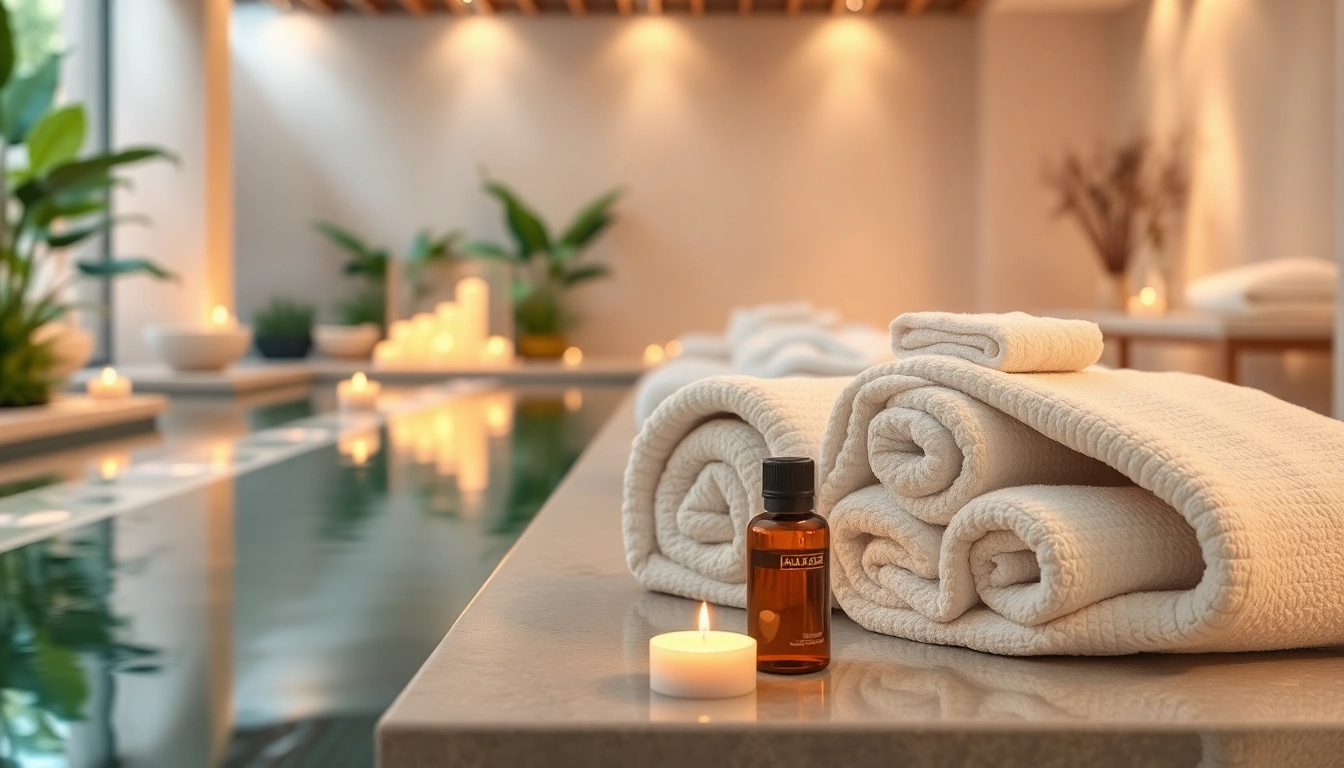
Understanding the Importance of Spa Ads in 2025
In an increasingly competitive wellness market, effective Spa Ads are essential for driving customer engagement and business growth. With digital marketing evolving at an unprecedented pace, spas must adapt their advertising strategies to capture the attention of potential clients. From social media campaigns to personalized email marketing, the landscape of spa advertising is expanding, providing numerous opportunities to connect with target audiences. By leveraging these trends and techniques in 2025, spa owners can not only enhance brand visibility but also foster deeper relationships with clients.
The Role of Digital Marketing in Spa Promotion
Digital marketing has transformed how spas engage with customers. Techniques such as search engine optimization (SEO), email campaigns, and social media advertising have become indispensable tools for effective promotion. For instance, an SEO-optimized website can significantly improve online visibility, ensuring that potential clients discover a spa when searching for wellness services.
Moreover, social media platforms allow spas to showcase their services through visually appealing content, attracting a larger audience. By creating engaging posts with high-quality images and videos, spas can inspire potential customers to book appointments.
Trends Shaping the Future of Spa Advertising
As we look ahead, several key trends are expected to shape spa advertising. First and foremost is the rise of personalized marketing. Today’s consumers expect brands to tailor their messaging to meet their specific needs and preferences. Utilizing data analytics helps spas create personalized campaigns that resonate well with their target audience.
- Influencer Marketing: Partnering with wellness influencers can amplify a spa’s reach, lending credibility and attracting new clients.
- Video Marketing: Engaging video content can provide a glimpse into the spa experience, making potential clients more likely to book a visit.
- Sustainability Messaging: As consumers become more eco-conscious, spas focusing on sustainable practices can enhance their appeal through targeted advertising.
Assessing Your Target Audience for Effective Spa Ads
Understanding the target audience is critical for creating effective Spa Ads. By conducting market research, spas can identify the demographics, preferences, and pain points of their ideal clients. For example, a spa catering primarily to busy professionals may focus on quick, rejuvenating treatments, whereas one targeting relaxation seekers might emphasize longer, more indulgent experiences.
Creating customer personas based on this research allows for more targeted advertising strategies that speak directly to potential clients’ needs.
Creative Ideas for Spa Ads That Stand Out
Using Visual Storytelling in Spa Advertising
Visual storytelling is a powerful tool in spa advertising, captivating audiences through compelling imagery and narratives. High-quality photos of serene settings, relaxed clients, and skilled therapists can evoke feelings of peace and luxury. Furthermore, incorporating before-and-after visuals can illustrate the transformative effects of spa treatments, enticing potential clients to seek similar experiences.
Incorporating Social Media: Reaching a Wider Audience
Social media platforms such as Instagram and Facebook are vital for expanding the reach of spa ads. These platforms allow spas to share user-generated content, promotions, and behind-the-scenes glimpses that enhance engagement. Creating interactive posts, such as polls or quizzes, can also increase audience participation and boost overall brand loyalty.
Engaging Content Strategies for Authentic Connection
Content marketing plays a crucial role in establishing authenticity and trust with potential clients. By sharing informative blog posts, expert tips, and client testimonials, spas can position themselves as authorities in the wellness space. Regularly updating a blog not only helps with SEO but also engages customers by providing valuable insights into spa services.
Webinars and Q&A sessions can further enhance connection, allowing clients to interact directly with spa professionals.
Measuring the Effectiveness of Your Spa Ads
Key Performance Indicators for Spa Advertising
Measuring the success of spa advertisements requires tracking specific Key Performance Indicators (KPIs). Metrics such as click-through rates, conversion rates, and return on investment (ROI) can provide valuable insights into the effectiveness of ad campaigns. Additionally, monitoring social media engagement, such as likes, shares, and comments, can indicate how well content is resonating with the audience.
Tools and Techniques for Tracking Ad Performance
Utilizing analytics tools is essential for tracking ad performance. Platforms like Google Analytics and social media insights provide detailed reports on user behavior, allowing spas to refine their advertising strategies based on real-time data. Implementing tracking pixels on websites can also help gauge user interactions and improve campaign targeting.
Adapting Strategies Based on Consumer Feedback
Feedback from clients is invaluable for enhancing advertising strategies. Spas should actively solicit reviews and testimonials, using both positive and negative feedback to refine their offerings. Conducting customer surveys can help identify gaps in services or areas for improvement, ensuring that marketing efforts align with client expectations.
Legal Considerations for Spa Ads Compliance
Understanding Advertising Regulations for Health Services
Compliance with legislative regulations surrounding health services is critical when creating spa advertisements. Ads should always be truthful and avoid making misleading claims. Furthermore, it’s essential to include necessary disclaimers, especially when promoting treatments that require medical oversight.
Ensuring Transparency in Spa Advertisements
Transparency builds trust with potential clients. Spa advertisements should clearly state any terms and conditions regarding promotions and offers. Additionally, using honest client testimonials can create a foundation of authenticity, attracting more clientele.
Best Practices for Ethical Spa Marketing
Ethical advertising practices go a long way in establishing a reputable brand. Spas should avoid exaggerating the results clients can expect, focusing instead on realistic expectations. Providing comprehensive information about services, pricing, and potential risks can also contribute to a positive perception among clients.
Future Predictions for Spa Advertising Beyond 2025
The Impact of AI and Technology on Spa Ads
As technology continues to advance, the use of artificial intelligence (AI) in spa advertising will likely become more prevalent. AI can assist in analyzing consumer behavior, predicting trends, and even personalizing ad content to better meet client needs. Additionally, chatbots may play a significant role in enhancing customer service, offering instant responses to queries and booking requests.
Emerging Marketing Channels for Spa Professionals
Looking beyond traditional advertising methods, spas should explore emerging marketing channels such as podcast sponsorships and virtual reality experiences. Podcasts can effectively reach targeted audiences, while virtual reality may allow potential clients to experience treatments and environments virtually before booking an appointment.
Staying Ahead of the Competition in Spa Ads
To maintain a competitive edge, spas must continuously innovate and adapt their advertising strategies. Staying informed about industry trends and consumer preferences will enable spas to pivot their marketing efforts effectively. Regularly analyzing competitor strategies can also provide insights into what works and what doesn’t, giving spas the information needed to enhance their own advertisements.