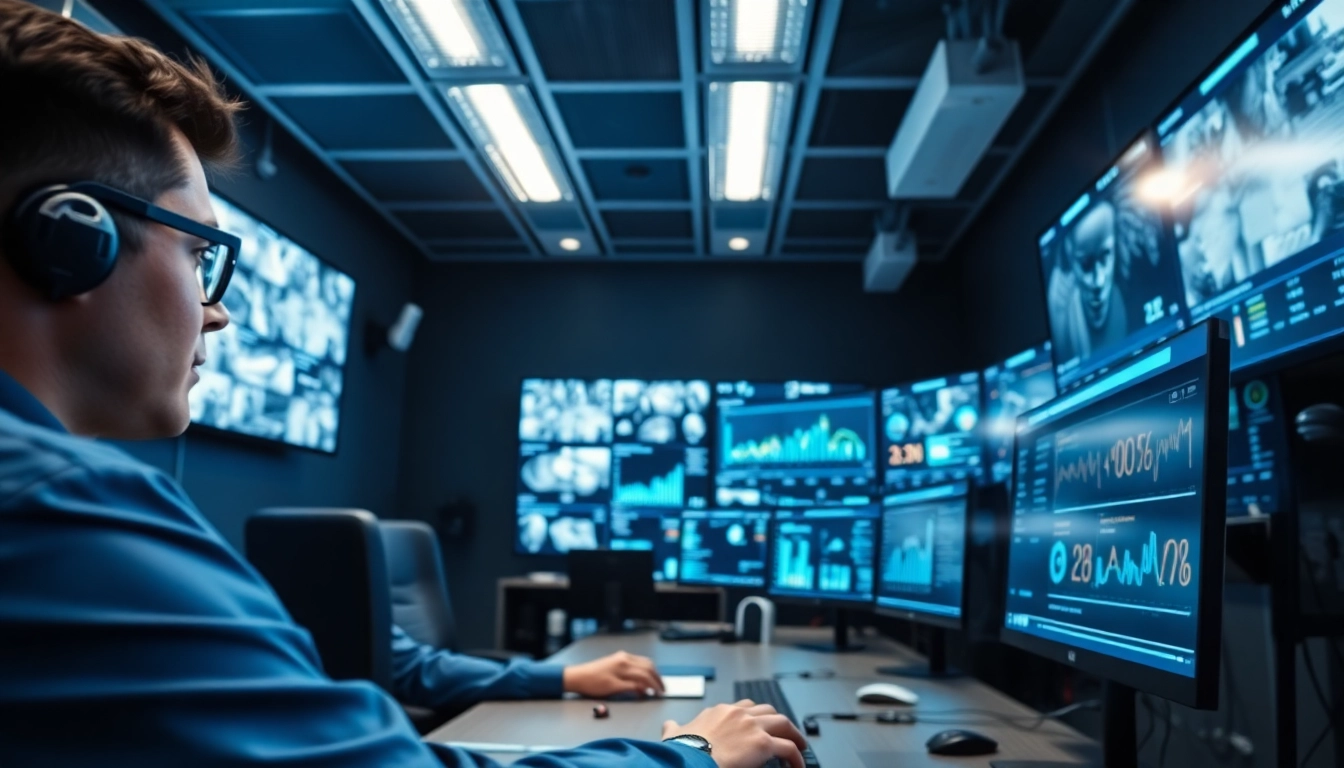
Introduction to Types of CCTV Analytics
As the world increasingly embraces advanced security measures, the role of Types of CCTV analytics has gained immense significance. CCTV analytics effectively transforms conventional surveillance systems into intelligent tools that enhance security, streamline operations, and provide critical insights. This article delves into various types of CCTV analytics, exploring their functionalities, importance in modern security, and future prospects.
What is CCTV Analytics?
CCTV analytics encompass a suite of technologies that utilize algorithms and artificial intelligence to interpret video footage captured by surveillance cameras. These analytics enable systems to detect, recognize, and track various elements within the video feed, ranging from individuals and items to complex behaviors. Unlike traditional CCTV systems, which primarily serve as passive recording devices, CCTV analytics actively process and analyze visual data to provide actionable insights.
Importance of CCTV Analytics in Modern Security
The integration of CCTV analytics into security protocols offers numerous benefits. Firstly, these analytics enhance situational awareness by providing real-time information, allowing security teams to respond quickly to potential threats. Additionally, CCTV analytics can reduce false alarms by enabling accurate detection and classification of activities. Moreover, the systematic analysis of video data contributes to decision-making processes, making environments safer and more efficient.
Overview of Common Types of CCTV Analytics
The landscape of CCTV analytics is diverse, encompassing various technologies tailored to fulfill specific needs. The primary categories include video content analytics, behavior analysis, and system integration analytics. Each category features several subtypes, each contributing uniquely to the overall function and effectiveness of security systems.
Video Content Analytics
Video content analytics focuses on analyzing the visual content of surveillance footage. This category includes multiple advanced techniques aimed at extracting meaningful information from video streams.
Motion Detection and Tracking
One of the fundamental applications of video content analytics is motion detection. This process involves identifying any movement within a predefined area. Advanced systems can differentiate between typical and unusual movement patterns, thus minimizing false alerts triggered by regular activity, such as wildlife or natural phenomena. Tracking systems can monitor moving objects across multiple camera feeds, providing comprehensive coverage of high-traffic or sensitive areas.
Object Recognition and Classification
Object recognition technology employs machine learning algorithms to identify and classify various objects within a video feed. This capability is crucial for security applications, enabling systems to distinguish between people, vehicles, and other objects. For instance, security personnel can be alerted when an unattended bag is left in a high-security area or when a specific vehicle enters a restricted zone. This proactive approach aids in preventing security breaches and potential threats.
Facial Recognition Technology
Facial recognition represents one of the most advanced technologies in CCTV analytics. By analyzing unique facial features, this technology can identify individuals against a database of known faces. This capability is invaluable for security purposes, such as monitoring access to secure locations, enhancing law enforcement efforts, and locating missing persons. However, the use of facial recognition technology raises ethical considerations regarding privacy and consent, necessitating careful implementation.
Behavior Analysis Analytics
Behavior analysis focuses on interpreting the actions and movements of people captured by CCTV cameras. These analytics provide insights into crowd dynamics, safety issues, and possible threats.
People Counting and Crowd Management
People counting technology enables the monitoring of foot traffic in various environments, such as retail outlets, public transportation, and event venues. By analyzing data regarding crowd density and flow, organizations can optimize space usage and improve customer service. For example, during peak times, staff can be trained to assist more effectively, enhancing the overall customer experience while ensuring safety.
Suspicious Activity Detection
Algorithms designed for suspicious activity detection analyze movements and actions in video feeds to recognize patterns indicative of potential threats. For instance, loitering near entry points or unusual behavior in high-security areas can trigger alerts for security personnel. By catching these behaviors early, organizations can intervene before an incident escalates.
Behavioral Pattern Recognition
Behavioral pattern recognition involves understanding and predicting human actions based on historical data. This advanced analysis identifies typical patterns, allowing systems to flag deviations that could signify abnormal behavior. By leveraging machine learning, organizations can develop a deeper understanding of their environments, enhancing overall security measures through predictive capabilities.
Integration of CCTV Analytics with Other Systems
Integrating CCTV analytics with other systems is imperative for maximizing security effectiveness. This integration allows seamless collaboration between multiple safety protocols to create a fortified security environment.
Interfacing with Alarm Systems
Linking CCTV analytics with alarm systems enhances security responses. For instance, motion detection analytics can trigger alarms only when certain conditions are met, significantly reducing false alarms triggered by harmless movements. Integrating these systems helps streamline responses and improves the overall effectiveness of security measures.
Enhancing Business Intelligence
By combining CCTV analytics with business intelligence systems, organizations can gain insights into customer behaviors, traffic flow, and other critical data points. This integration facilitates informed decision-making, enabling businesses to optimize operations and enhance security protocols simultaneously. For instance, retailers can adjust staff levels based on customer traffic patterns captured through video analytics.
Cloud Computing Innovations
Cloud computing plays a pivotal role in the evolution of CCTV analytics. By processing and storing massive volumes of data remotely, organizations can access real-time analytics without the constraints of local infrastructure. Additionally, cloud resources allow for advanced processing capabilities, which can enhance the speed and accuracy of analytics, making it easier to apply sophisticated machine learning models.
Future Trends in CCTV Analytics
The landscape of CCTV analytics is rapidly evolving, driven by advancements in AI, machine learning, and automation technologies. As these trends develop, they promise to reshape how security systems are implemented and operated.
AI and Machine Learning Applications
AI and machine learning are at the forefront of CCTV analytics innovation. These technologies enable systems to learn from historical data, improving detection and classification capabilities over time. As AI advancements continue, expect to see increasingly sophisticated analytics that can modify their parameters based on changing environments and patterns.
Increased Automation
The push for increased automation in security systems signifies a shift towards more efficient operations. Automated systems can monitor video feeds 24/7 without fatigue, providing prompt alerts when necessary. This automation will free up human resources, allowing them to focus on critical decision-making instead of routine monitoring tasks.
Real-time Analytics Advancements
Real-time analytics are evolving to provide quicker and more accurate insights as technologies advance. Innovations in processing speed, connectivity, and cloud computing will ensure that security personnel have immediate access to vital information. This capability will enhance responsiveness and situational awareness, ultimately promoting safety in various settings.
Frequently Asked Questions
What are the primary types of CCTV analytics?The primary types include video content analytics, behavior analysis, and system integration analytics.How can CCTV analytics improve security systems?CCTV analytics enhances security by providing real-time insights, enabling faster responses, and reducing false alarms.Is facial recognition part of CCTV analytics?Yes, facial recognition is a widely used type of CCTV analytics that enhances identification and access control.Can CCTV analytics assist in crowd management?Absolutely, types of CCTV analytics like people counting aid in effective crowd management and event planning.How does cloud computing fit into CCTV analytics?Cloud computing allows for scalable storage and processing of CCTV analytics data, facilitating remote access and management.